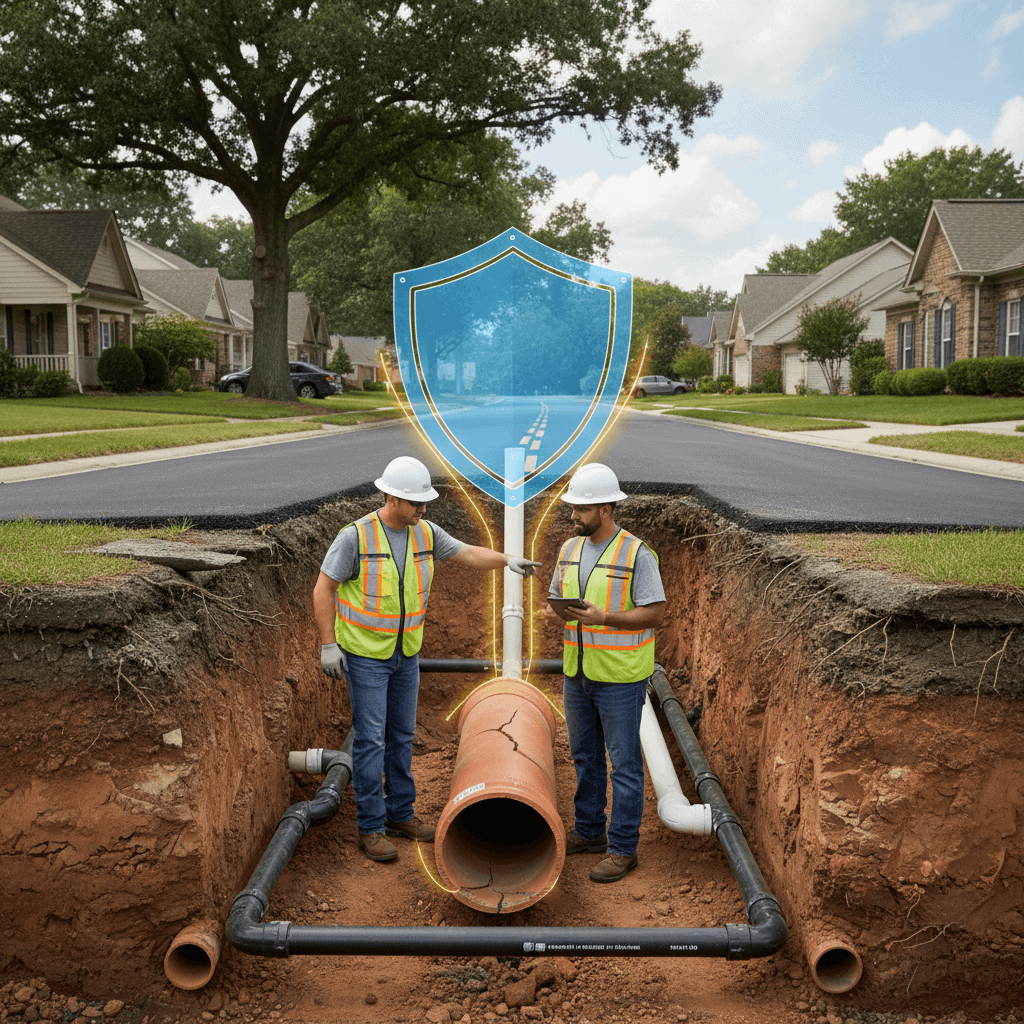
Homeowners often find a flooded basement or slow drains and ask if their insurance covers fixing a broken sewer line. Insurance terms can seem like a confusing maze, but breaking it down into real situations and simple next moves clears things up. Knowing what usually causes sewer problems and what kinds of coverage might help lets people jump into action fast and keep costs and hassle low. This helps anyone dealing with these headaches feel less lost and more in control. Keep reading to learn how to dodge big bills and get repairs done without a fuss.
We will compare typical policy language with common repair methods and give real world tips on documentation and working with contractors. Whether you are facing a full line collapse or a clog caused by tree roots this guide will help you understand when insurance may pay and when the homeowner must cover the expense.
What Insurance Coverage For Sewer Repairs Typically Means
Insurance coverage for sewer repairs does not come in a single package with fixed rules for every policy. Often there are two separate pieces to consider. The first is structural coverage related to damage to the physical sewer pipe that runs from your home to the municipal connection. The second is sewer backup coverage which pays for damage caused by sewage entering the home through drains or storm systems.
Standard homeowners policies commonly exclude damage from wear and tear or gradual deterioration of underground pipes. At the same time many insurers offer optional riders or endorsements that cover backups and cleanup costs. The key is reading your declarations page and the list of endorsements so you know what is included before a problem arises.
Common Causes of Sewer Damage That Affect Coverage
Understanding the cause of sewer damage is essential when you file a claim. Insurers look for whether the event was sudden and accidental or the result of long term neglect. Here are frequent causes and how they tend to be viewed by carriers
- Tree root intrusion Roots seeking moisture can crack joints over years. If the damage is gradual most policies will not pay.
- Corrosion and age Old clay or cast iron lines can corrode. Gradual deterioration is usually excluded.
- Third party construction A contractor striking a sewer line during excavation may create sudden damage that could be covered.
- Blockage from foreign objects Items flushed or accidental obstructions that cause sudden backup are more likely to be considered accidental.
- Utility or municipal failures In some cases a city main break may cause backup into private piping and coverage can vary depending on policy terms.
When Homeowners Insurance Will Pay For Sewer Repairs
There are situations where repair costs or related damages fall under a homeowners policy. Coverage is more common when the incident is sudden and not the result of long term neglect. Examples include a contractor hitting a pipe while digging or an abrupt collapse caused by an outside event.
Sudden accidental failures
If a distinct event causes a sewer line to fail and that event cannot be traced to a lack of maintenance the insurer may cover repair work and any interior damage caused by the incident. For example a delivery truck accidentally hitting a buried clean out and snapping the line can be considered accidental.
Contamination cleanup and temporary living costs
Even when the insurer does not pay to replace the underground pipe some policies will cover the cost to remove sewage from carpets and floors and to pay additional living expenses while the home is being remediated. Sewer backup endorsements specifically cover cleanup and may include temporary housing costs if the home is uninhabitable.
When Insurance Will Likely Deny Sewer Repair Claims
Insurers commonly deny claims that stem from wear and tear or inadequate maintenance. If the policy shows that the line failed because it was old or corroded insurers will likely argue the issue was preventable and not an insurable loss. Typical denial situations include repeated clogs caused by known tree roots, long term corrosion, prior problems left unrepaired and damage from routine use.
Another frequent denial stems from lack of a specific endorsement. Many policies exclude sewer backup by default. Homeowners who have not purchased a backup rider will find that interior cleanup and related damage are not covered even though the pipe replacement might be covered in a specific accidental scenario.
Steps To Take When You Have A Sewer Problem And Want Coverage
Acting quickly and documenting everything can make a claim smoother. Follow these steps to give yourself the best chance of a favorable outcome
- Stop using water in affected areas when safe to do so to limit further contamination
- Photograph visible damage and any standing sewage before cleanup
- Call your insurer to report the loss and ask about their preferred next steps
- Schedule a camera inspection of the sewer line from a licensed contractor so the cause of failure is documented
- Request written estimates and keep receipts for emergency repairs and cleanup
Documentation is the single most important factor when an insurer assesses whether the damage is sudden or a result of neglect. A clear camera report showing a third party impact or a discrete fracture can make the difference on a claim decision.
Practical Tips To Lower Repair Bills and Avoid Future Problems
Even when insurance covers part of the cost homeowners should take steps to control future risk and expense. Preventive steps and smart repair choices reduce out of pocket costs over time
- Use video inspection every few years to catch small issues before they become collapses
- Consider trenchless repair techniques which often cost less and reduce yard restoration bills
- Trim trees with roots near sewer lines and consider root barriers to limit intrusion
- Install a backflow prevention valve where allowed by local codes to reduce the chance of municipal backups entering your home
- Maintain a simple log of plumbing inspections to show proactive care if you later file a claim
Example cost scenarios help illustrate choices. A localized pipe patch done trenchlessly might run a few thousand dollars while a full excavation and replacement can be several times higher. If your policy includes a backup endorsement the cleanup and some minor repairs may be covered lowering your overall exposure.
How To Work With Your Insurer And With a Plumber
When you need to coordinate repairs and a claim it pays to have clear roles. The insurer will want proof of cause and the contractor will want accurate information about what to repair. Many homeowners get a camera inspection immediately so both parties have the same technical report.
Choose a contractor who knows how to document work for insurance purposes and who can explain options such as spot repair, lining, or full replacement. If you want a technician who often handles insurance claims and can provide detailed inspection reports search for a well reviewed local Plumber and ask for references from previous insurance related jobs.
Questions to ask your contractor
- Can you perform a camera inspection and provide a written report
- What repair options do you recommend and why
- Do you offer trenchless solutions and what are the trade offs
- Will you itemize labor materials and permit fees for my claim
Working with your insurer
Be transparent and submit the inspection report along with photos and estimates. Ask your adjuster which repairs require pre approval and which can proceed as emergency work. If the insurer sends an independent adjuster ask for a detailed explanation if they deny the claim so you can respond with the contractor documentation.
Choosing Coverage and Preparing Ahead
Buying the right coverage before a problem occurs is the most reliable way to control cost. A sewer backup endorsement is often affordable and pays for cleanup and some repair expenses. If you live in a neighborhood with mature trees or older pipes that endorsement can save thousands.
Review your policy limits and deductibles and compare the cost of a rider to the likely repair scenarios in your area. Ask your insurer if they cover repairs to the pipe running from the house to the main and whether the policy treats collapse differently from a backup. When in doubt get a second opinion from a licensed contractor who can explain how coverage might apply to the specific condition of your line.
Small investments in routine inspection and in targeted coverage choices prevent large unexpected expenses later. Keep inspection records and receipts for work done so you build a clear maintenance history that can support future claims.
Conclusion
Insurance coverage for sewer repairs depends on the cause of the problem the specific language of your policy and whether you purchased optional endorsements. Sudden accidental damage and some types of backup events are often covered while gradual wear and tear is commonly excluded. Taking fast action to document damage arranging a professional camera inspection and choosing a contractor who will produce clear written reports improves your chances with an insurer. Consider adding a sewer backup endorsement if you live in an area with older pipes or large trees and maintain regular inspections to protect your investment.
If you are facing a sewer issue start by documenting the damage and contacting your insurer. Then schedule a camera inspection from a reliable contractor and gather estimates for the different repair methods. Doing these steps puts you in a strong position to negotiate repairs and to submit a clear claim. If you want help evaluating repair options or preparing documentation reach out to a qualified service in your area and get a written assessment. Taking action now can reduce repair costs later and give you a clearer path through the claims process.