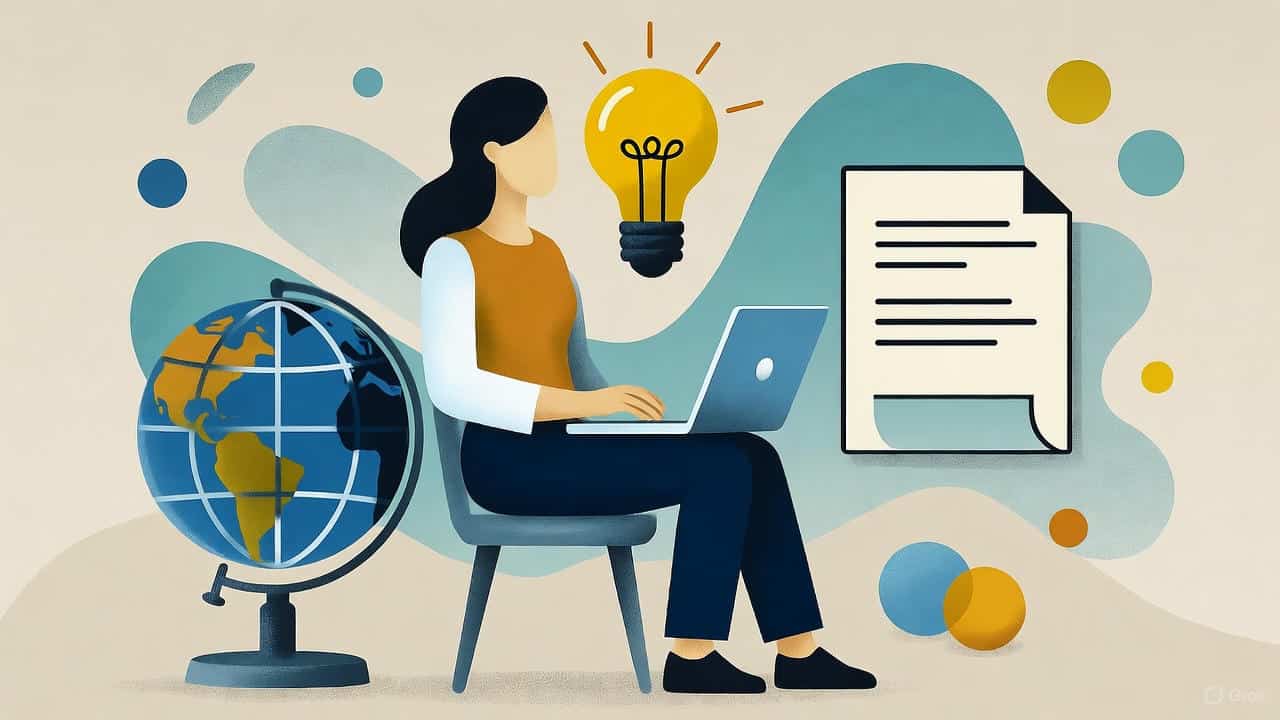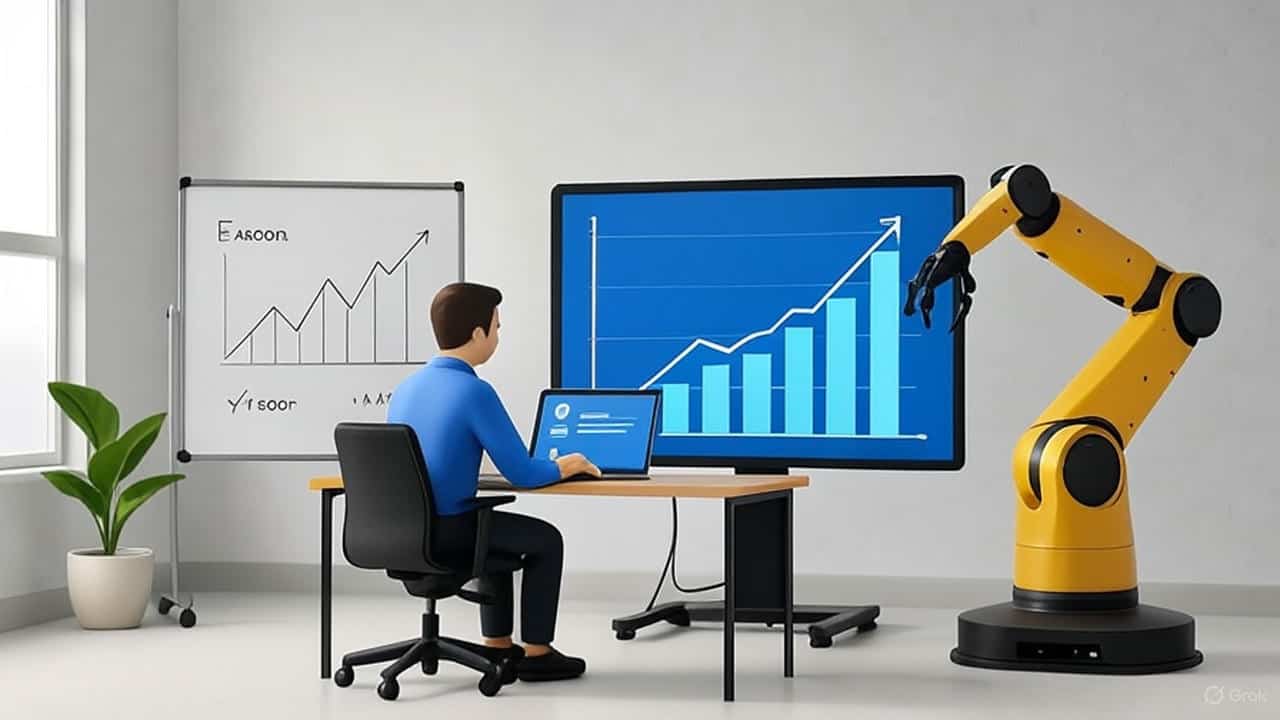
The digital revolution tried to connect the entire world, but nearly thirty years after the internet became normal, billions still don’t get to enjoy its perks. By 2025, the real divide won’t only be about who’s online but who actually knows how to use the internet to their advantage. This changes the game big time, making it way more important to get the hang of it. Learning this can unlock chances that most folks don’t even imagine. Dive in to see how this flips everything upside down.
From rural connectivity gaps to algorithmic bias and AI illiteracy, the divide has evolved into a multifaceted challenge that affects economies, education, and democracy itself. Understanding and closing this gap is one of the defining imperatives of our time.
The Evolving Nature of the Digital Divide
When policymakers first coined the term “digital divide” in the late 1990s, it referred mainly to physical access—computers, cables, and connections. Today, the problem is far more complex.
According to the International Telecommunication Union (ITU), more than 2.5 billion people still lack reliable internet access. But beyond connectivity, there are divides in digital literacy, data privacy, and algorithmic influence.
In short, the modern divide is not only technological—it’s structural and social.
Economic Inequality in the Digital Age
The gap between digital “haves” and “have-nots” mirrors and reinforces global inequality. The World Bank reports that digitally advanced economies grow up to 2.3 times faster than those without strong digital infrastructure.
In developing nations, poor internet access hinders education, healthcare, and job creation. In advanced economies, the divide appears as automation inequality—where low-income workers lose jobs to technology while lacking opportunities to retrain.
Bridging this gap is not just a moral necessity—it’s an economic strategy for global stability.
Education: The Foundation of Digital Empowerment
Digital literacy is now a fundamental life skill. Yet nearly 40% of students globally lack the tools or training to participate in online learning. The pandemic exposed how fragile digital education systems can be.
In response, countries like Estonia, Rwanda, and Singapore have made digital education part of their national curriculums, teaching coding, cybersecurity, and data ethics from early grades.
The UNESCO Digital Learning Framework advocates for open-access educational resources and cross-border teacher collaboration. Empowering the next generation digitally is key to closing the knowledge gap that perpetuates inequality.
Infrastructure and Accessibility
Physical access remains the most visible divide. Rural areas, small island nations, and conflict zones suffer from limited connectivity. To address this, governments and private companies are deploying low-Earth-orbit satellites (such as Starlink and OneWeb) and community Wi-Fi networks that reach previously disconnected populations.
In India, the Digital Bharat Mission has connected over 600,000 villages to broadband internet through fiber-optic expansion, demonstrating how public-private collaboration can transform digital access at scale.
Yet affordability remains a barrier: in many developing countries, the average cost of 1GB of mobile data exceeds 5% of monthly income—a stark reminder that connectivity without affordability is not inclusion.
Algorithmic Bias: The Invisible Divide
As more of our lives move online, algorithms shape everything from job applications to credit approvals. However, biased data and opaque systems often discriminate against marginalized groups.
Studies by MIT Media Lab show that facial recognition algorithms can have error rates of up to 35% for darker-skinned women compared to less than 1% for lighter-skinned men. This “algorithmic divide” reinforces social inequality under the guise of automation.
Global advocacy is growing for algorithmic transparency, requiring companies to disclose how their AI models make decisions. Some nations are even proposing “bias audits” to ensure fairness in automated systems.
Gender and the Digital Gap
Gender remains one of the most persistent digital divides. The World Economic Forum reports that women are 21% less likely to have mobile internet access globally.
This disparity limits not only personal empowerment but also economic growth—closing the gender digital gap could add $1 trillion to global GDP over the next decade.
Initiatives such as Women in Tech Africa and SheCodes are building inclusive tech ecosystems that train women in coding, entrepreneurship, and AI design—ensuring they are not left out of the digital future.
Data Sovereignty and Digital Colonialism
As technology expands globally, a new form of inequality emerges: digital colonialism—where data from developing nations is harvested and monetized by foreign corporations.
Countries like Nigeria, Brazil, and Indonesia are implementing data sovereignty laws to ensure local control over data storage and usage. The goal is not isolation, but empowerment—ensuring nations have agency over their digital economies.
This movement signals a shift from dependency to autonomy in global technology governance.
The Path Forward: Inclusion by Design
Bridging the digital divide requires a holistic approach:
- Infrastructure: Universal, affordable broadband as a public utility.
- Education: Integrating digital literacy into every level of schooling.
- Ethics: Ensuring algorithms are transparent and accountable.
- Empowerment: Prioritizing marginalized communities in digital development.
Technology is not inherently inclusive—it must be designed to include.
Conclusion: Toward a Digitally Equal World
The digital divide is not inevitable—it’s a policy choice, an ethical challenge, and an opportunity for reinvention.
In 2025, the question is no longer who can access the internet, but who can thrive within it. From open-source AI in Kenya to digital education in rural India, the solutions are emerging everywhere—proof that innovation flourishes when inclusion leads.
Closing the digital divide is not just about connecting devices; it’s about connecting dignity, opportunity, and knowledge.
At Unsourced.org, we believe that true innovation begins when every voice, in every corner of the world, has equal bandwidth to be heard.